How Doordarshan Began: Dr Rakesh Nigam on Indian Television's Journey
For decades, Doordarshan was the only television most Indian families knew. Its first broadcast went out on September 15, 1959, and every year that date brings back memories of Krishi Darshan, Chitrahaar and Sunday-morning epics. In September 2020, on DD's 61st anniversary, VoxyTalksy spoke to media educator Dr Rakesh Nigam about how it all began.
What the video shows
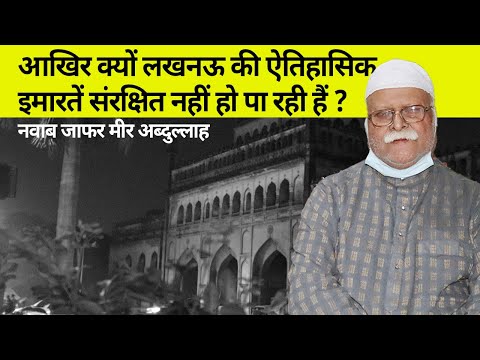
The video was uploaded in September 2020 to mark Doordarshan's 61st birthday. Dr Rakesh Nigam, who introduces himself as a media consultant and educator and who, according to the description, has worked in Bollywood and with Doordarshan Lucknow, traces the history of television in India. He says space scientist Vikram Sarabhai saw television as a tool for national development and helped persuade Prime Minister Jawaharlal Nehru, after which an experimental service began in Delhi with limited resources and under full government control. He describes community TV sets, the expansion of Doordarshan centres from the late 1970s, and the era when Ramayan and Mahabharat emptied streets. He recalls socially themed serials such as Hum Log and Lucknow Doordarshan's Biwi Natiyon Wali, on which he says he worked as a location coordinator, and ends by discussing how liberalisation and advertising changed television's role.
Key dates in Doordarshan's history
- September 15, 1959: experimental television service begins in Delhi.
- 1965: regular daily transmission starts as part of All India Radio, including a short news bulletin.
- April 1, 1976: television is formally separated from radio, and Doordarshan becomes a separate entity.
- August 15, 1982: colour broadcasting begins with the Independence Day telecast, followed by colour coverage of the 1982 Asian Games in Delhi.
- 1982: a national channel (now DD National) is introduced, making Doordarshan a nationwide broadcaster.
- 1987: Ramanand Sagar's Ramayan begins its run and becomes one of the most watched shows in Indian television history.
Information, education, entertainment
As Dr Nigam explains in the video, Doordarshan was built around three aims: to inform, to educate and to entertain. News bulletins served the first, educational programmes for schools and universities served the second, and serials, films and music shows served the third. Regional centres, including Lucknow, produced programmes in local languages and on local issues, which is why many older viewers in Uttar Pradesh still remember Lucknow-made serials.
Why this history matters today
- Doordarshan is now part of Prasar Bharati, India's public broadcaster, and its channels remain free to air.
- Many classic programmes have been re-telecast or uploaded online in recent years, so a new generation can watch them.
- The shift Dr Nigam describes, from public-service broadcasting to an advertising-led market, is still debated by media researchers and is worth keeping in mind when judging what we watch today.